
EcoGrade - Assisting property managers’ decision making process in green renovations
Role
Co UX Designer working in a Scrum methodology
Duration
24h (Hackathon)
Platform
iOS, mobile application
Figma, Google Suite
Tools
🏗️ Problem
Property managers have difficulty maintaining older buildings to match the government’s green initiatives.
💡 Solution
Utilizing eco-friendly recommendations generated from renovations carried out by other nearby buildings of similar size and age to provide property managers a clear action plan.
🧐 Impact
Reduced property manager skepticism and research required towards eco-friendly renovations
Reduce carbon emissions by older residential buildings

Older residential buildings cannot keep up with emerging and existing green technologies
Currently, Canada’s rate of change for residential buildings to be retro-fitted to these new technologies lie at a dismal 0.7% annually.
At this rate, it would take up to 100 years for all of Canada’s buildings to be up-to-date, 73 years after the current 2050 net-zero goal.
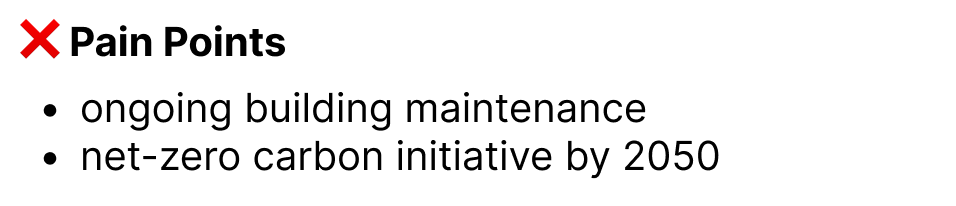
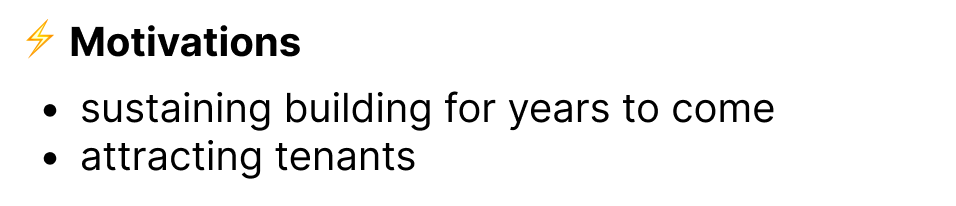
To consider the pain points and motivations of property managers, my UX counterpart and I relied on assumptions gained from our secondary research.
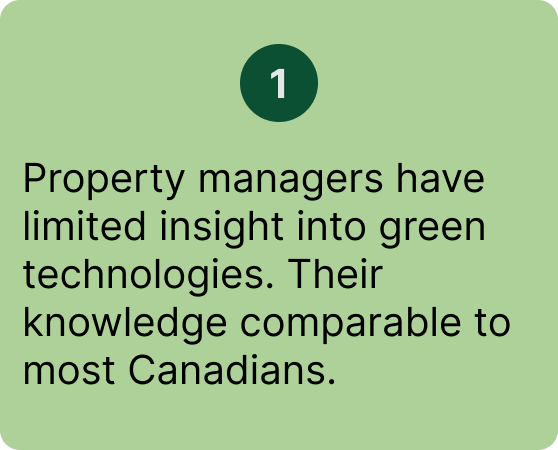
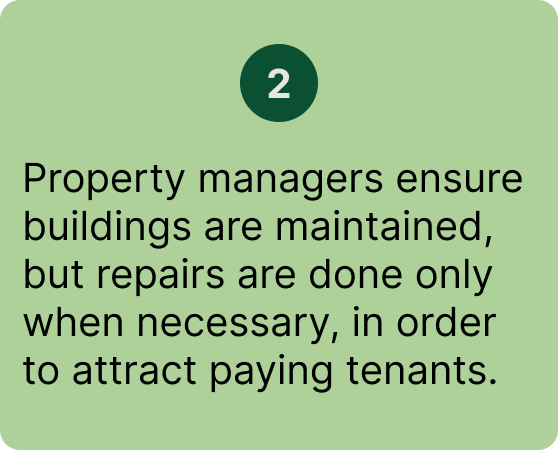
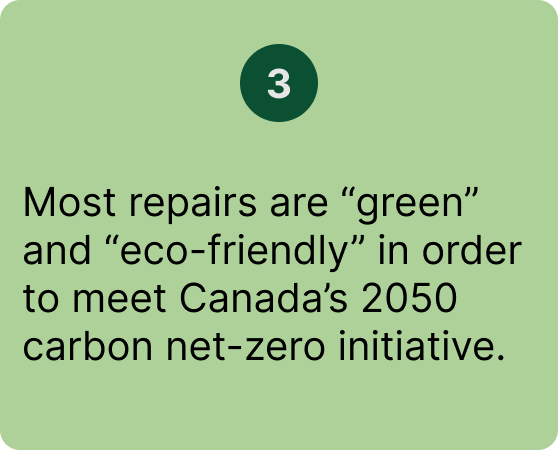
Meet Robby, our persona.
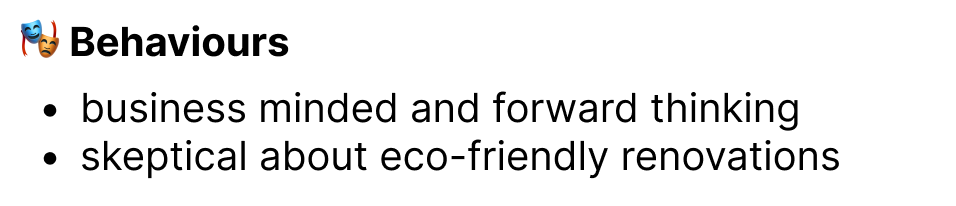
Together with another UX designer, we created Robby our persona - a property manager for a 70 year old building complex in Toronto. Robby is only prompted to renovate his buildings when it malfunctions, but he has no method of understanding which renovations are feasible and appropriate for his building, budget, and location. Without this crucial information, property managers are skeptic, losing their autonomy and deferring decisions and judgement to contractors on what is best for their building.

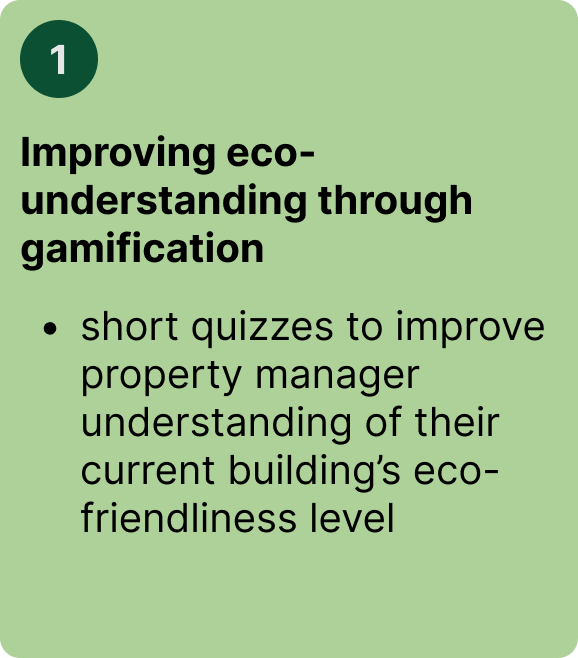
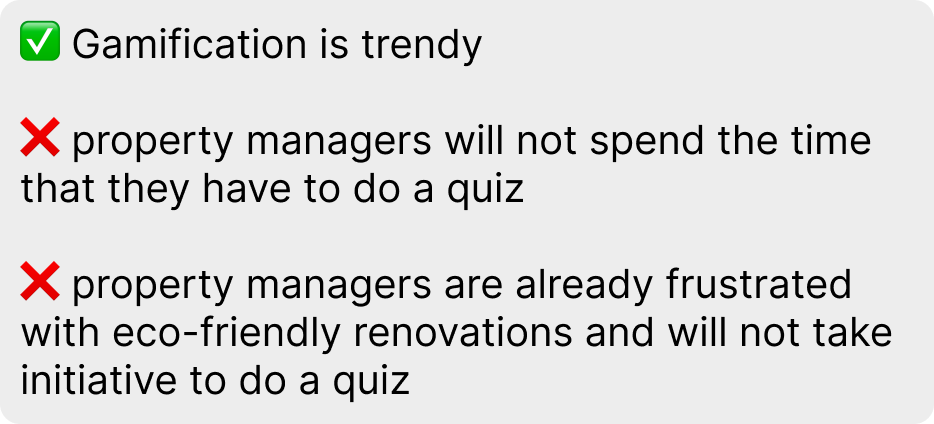
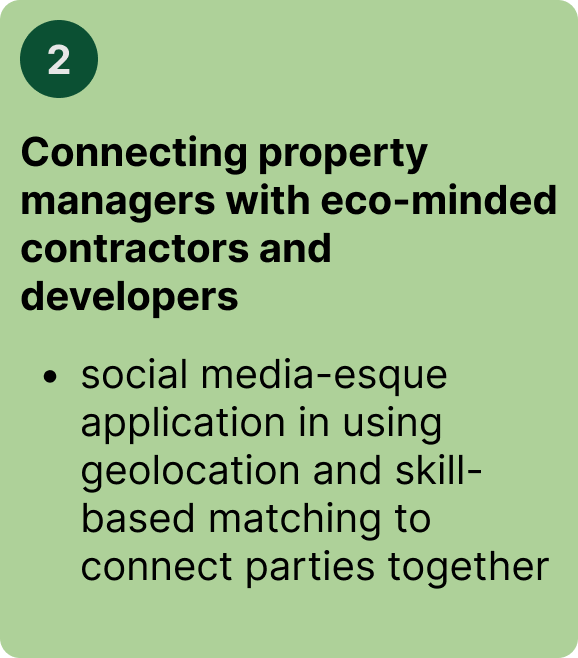
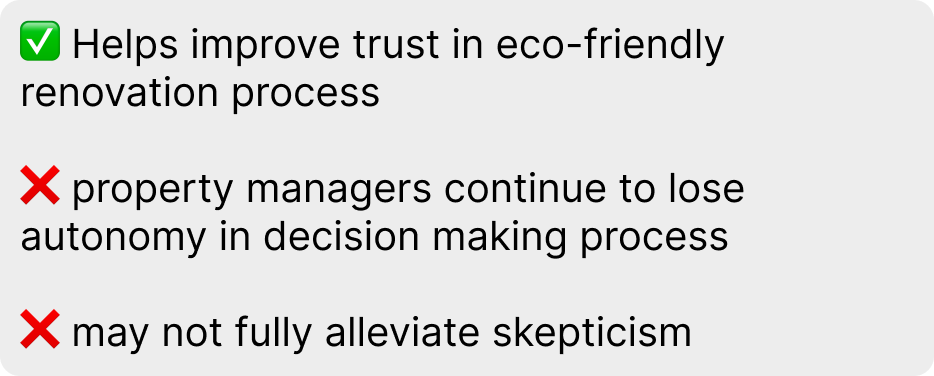
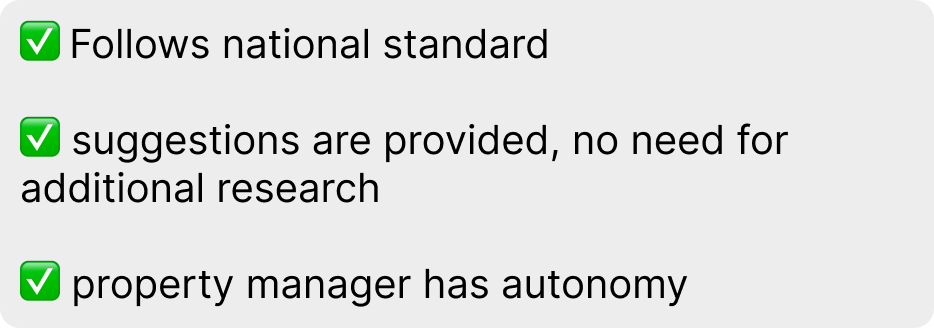
Working with all team members, we ideated different solutions to solve Robby’s pain points

🤝

Pursuing Option # 3
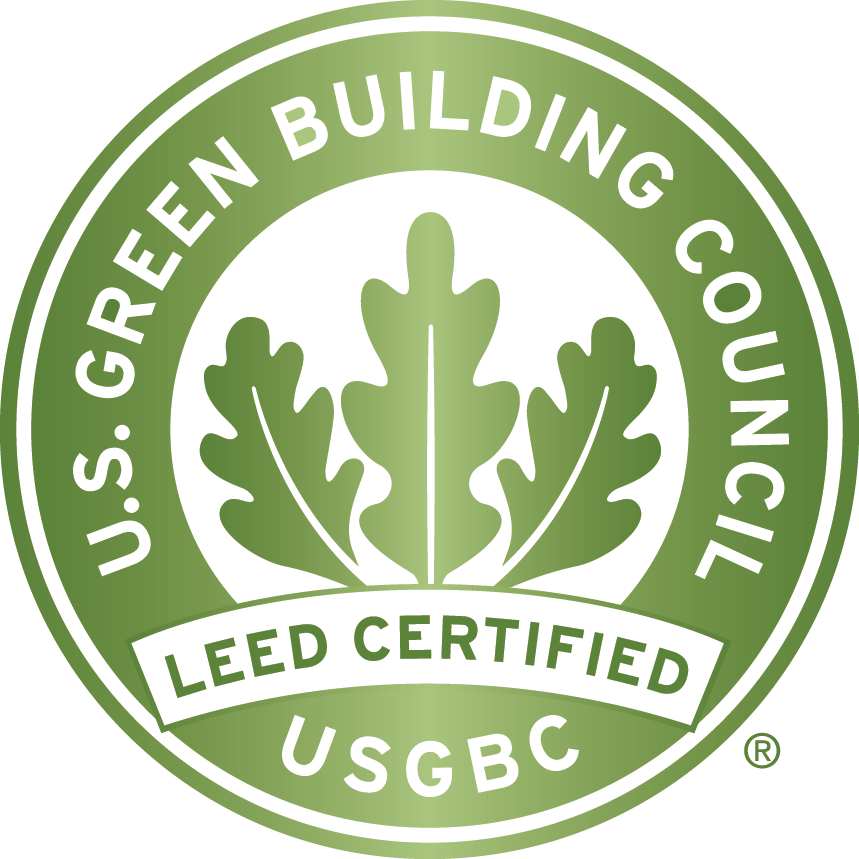
In the end, we chose to pursue option three as it addresses the pain points Robby faces and also aligns with his current behaviours. However upon further research, LEED already utilizes a management tool to provide building improvement suggestions. But this management tool is expensive ($800 plus applicable taxes and fees), and only provides metrics on the entire country’s eco data analyses and trends.
To separate our product from the competition and provide maintenance suggestions in an accessible manner, renovations/ building updates taken by existing buildings are recorded and recommended to property managers with similar properties. This will ease the skepticism on what renovations should be done, while minimizing the additional research needed.
Designing the Solution
To consider how to start building our product, I decided to craft user stories in order to create a task flow
-
(ex. energy, water consumption, etc.) so that I am up to date with the building’s current expenditures.
-
So that I know where my building is in comparison to government initiatives
-
So that I know easily which updates are most feasible
→
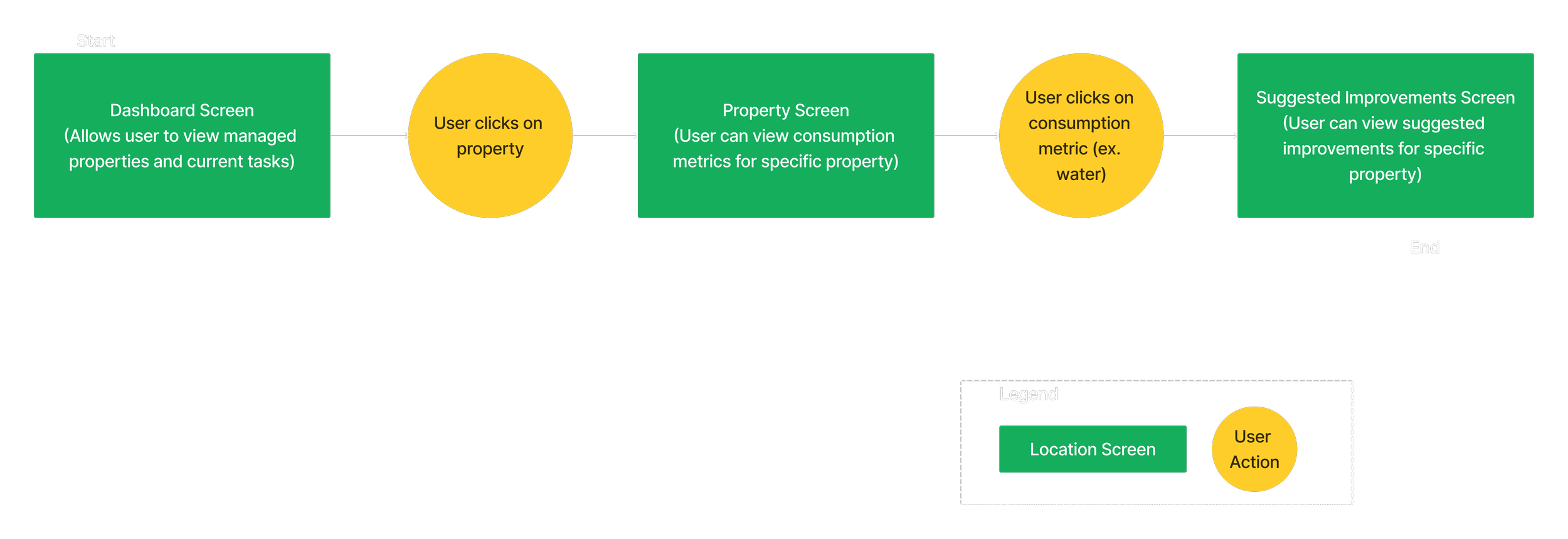
Then, I used research inspiration to inform the UI of the screens. As per the request of the developers, I used the Mantine UI design system to create a consistent look for the lo-fidelity wireframes and shorten the development time.
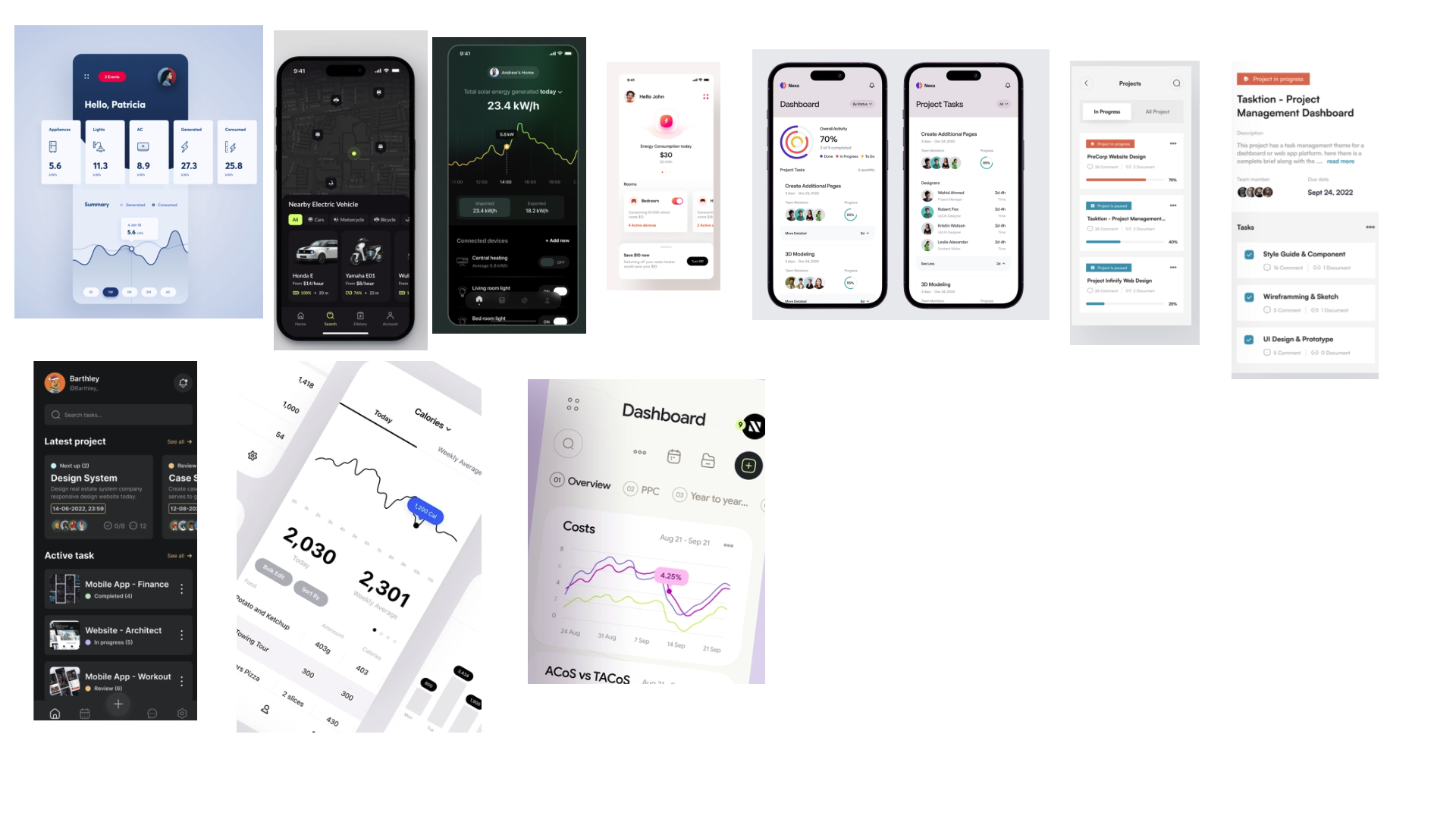
Researching dashboard UI for inspiration
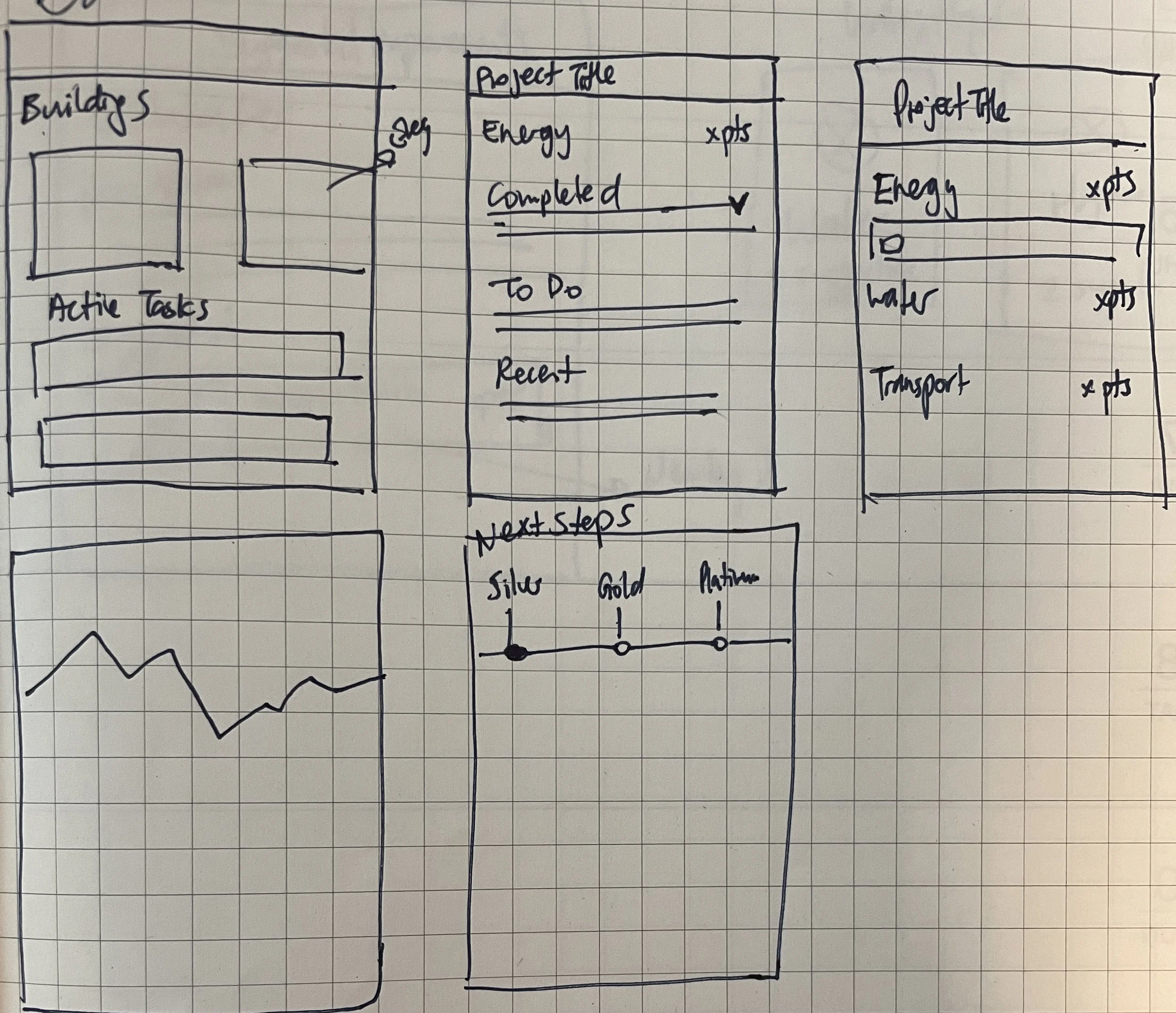
Sketches
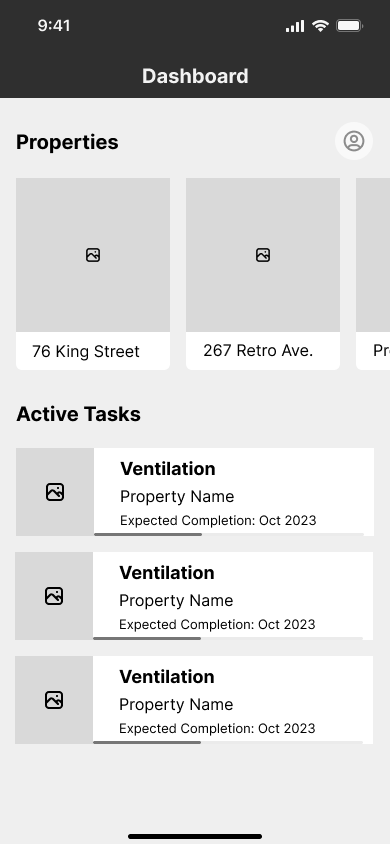
Home page wireframe
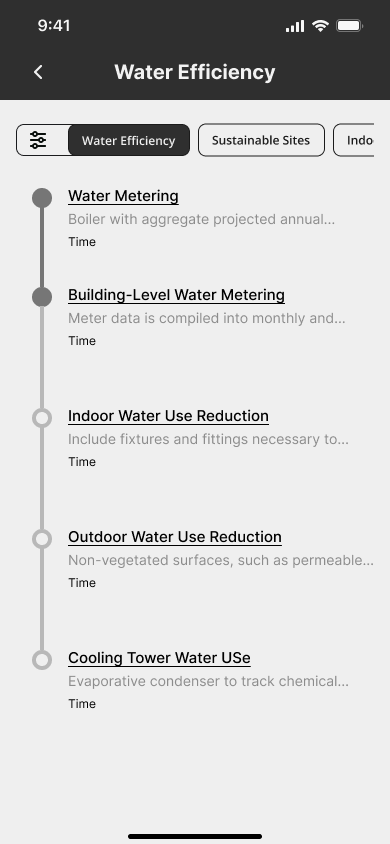
Scheduled renovations screen wireframe
The Final Prototype
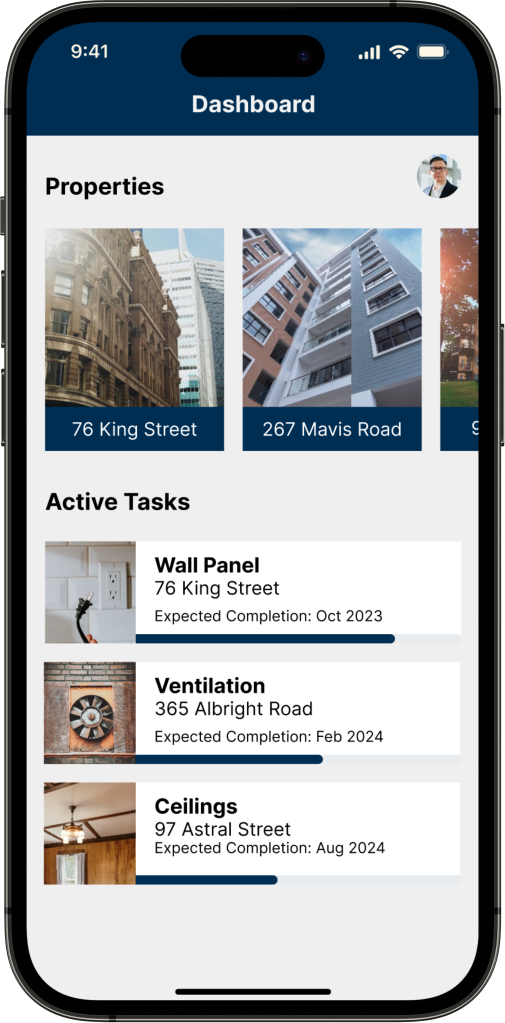
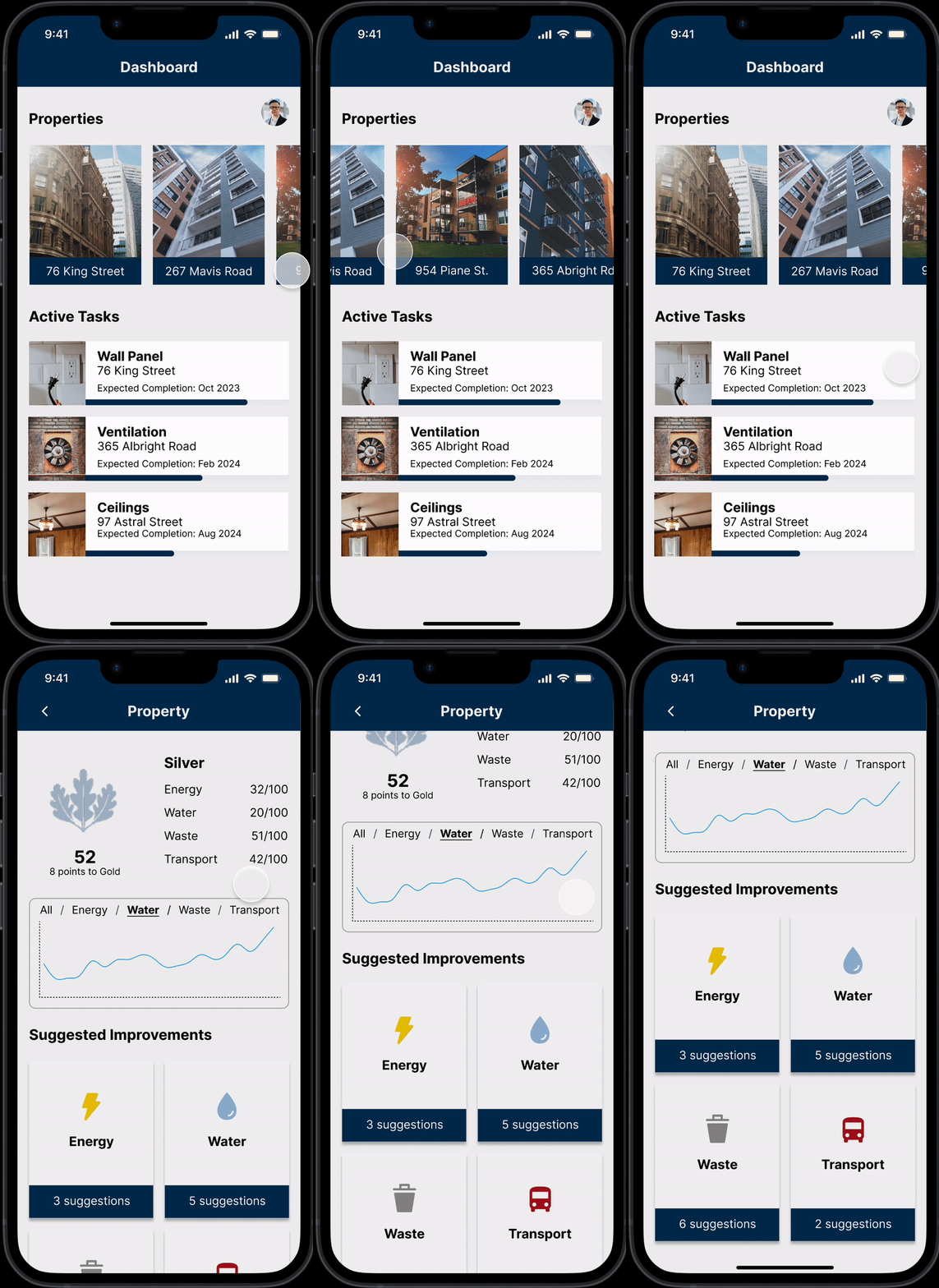
Home Screen with properties listed and active renovation tasks
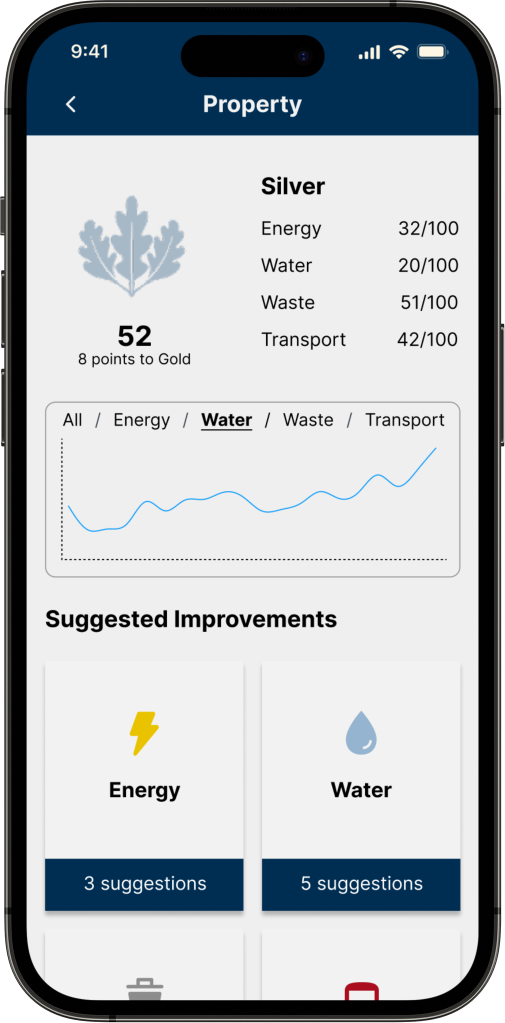
LEED certification system per property
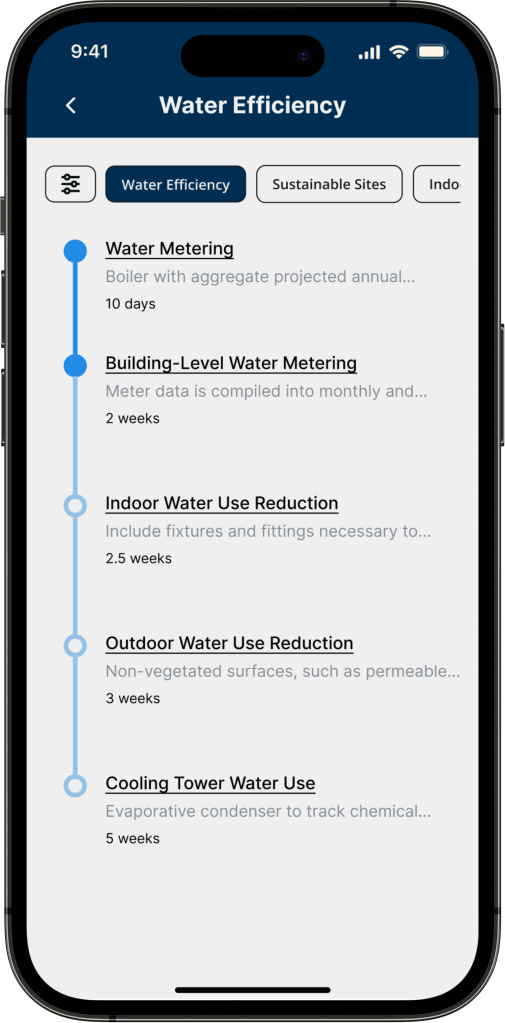
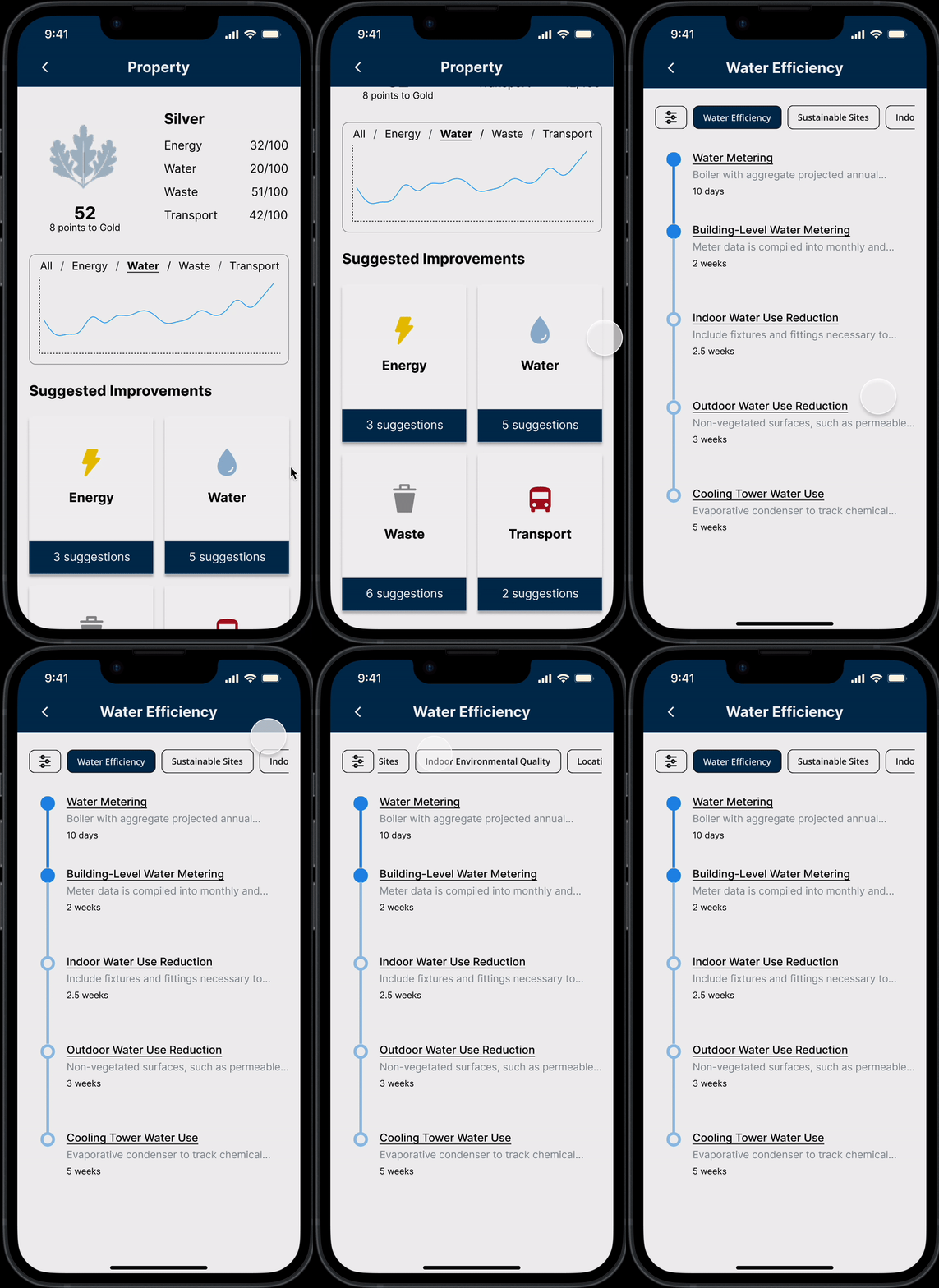
Suggested renovation details
Impact
🧐 Reduce property manager skepticism and research required towards eco-friendly improvements to their buildings
building improvements will be recommended by the system based on similar buildings in the area, what updates they have done and their current grade levels
property mangers will have an easier time understanding which improvements are feasible for their particular buildings
🏚️ Reduce carbon emissions
Overall improvement in building eco-friendliness in the community will help reduce carbon emissions
Next Steps
Using clustering, the recommendation system will provide suggestions based on existing buildings within the EcoGrade database. When a property is added to the app, it automatically gets clustered with other similar buildings based on building age, capacity, type, etc. Renovations/ building updates taken by existing buildings are recorded and recommended to property managers with similar properties.
Furthermore, we will need to add on other user flows to the app such as:
sign up flow
creating account as a property manager
inputting building details
map feature exploring nearby building grades and updates
conducting primary research with property managers on app usability