Integrating a Legacy Application into a Modern Workflow
PROJECT SUMMARY
Conceptualized and designed the integration of a 20 year old legacy application used by over 7500 legal professionals into a modern SaaS application for real estate lawyers and clerks called Realti.
PROJECT RESULT
After initiating client conversations about the design, I uncovered a key insight that would affect the project’s programming and adoption rate. Using these insights, I led product discussions with stakeholders, where ultimately, the company chose to place the project in the backlog for future consideration.
MY ROLE
User Qualitative Research
Conceptualization
Design
UX Strategy
TEAM
1 Design Lead
1 Developer
2 Project Managers
1 Business Development Manger
1 Head of Sales
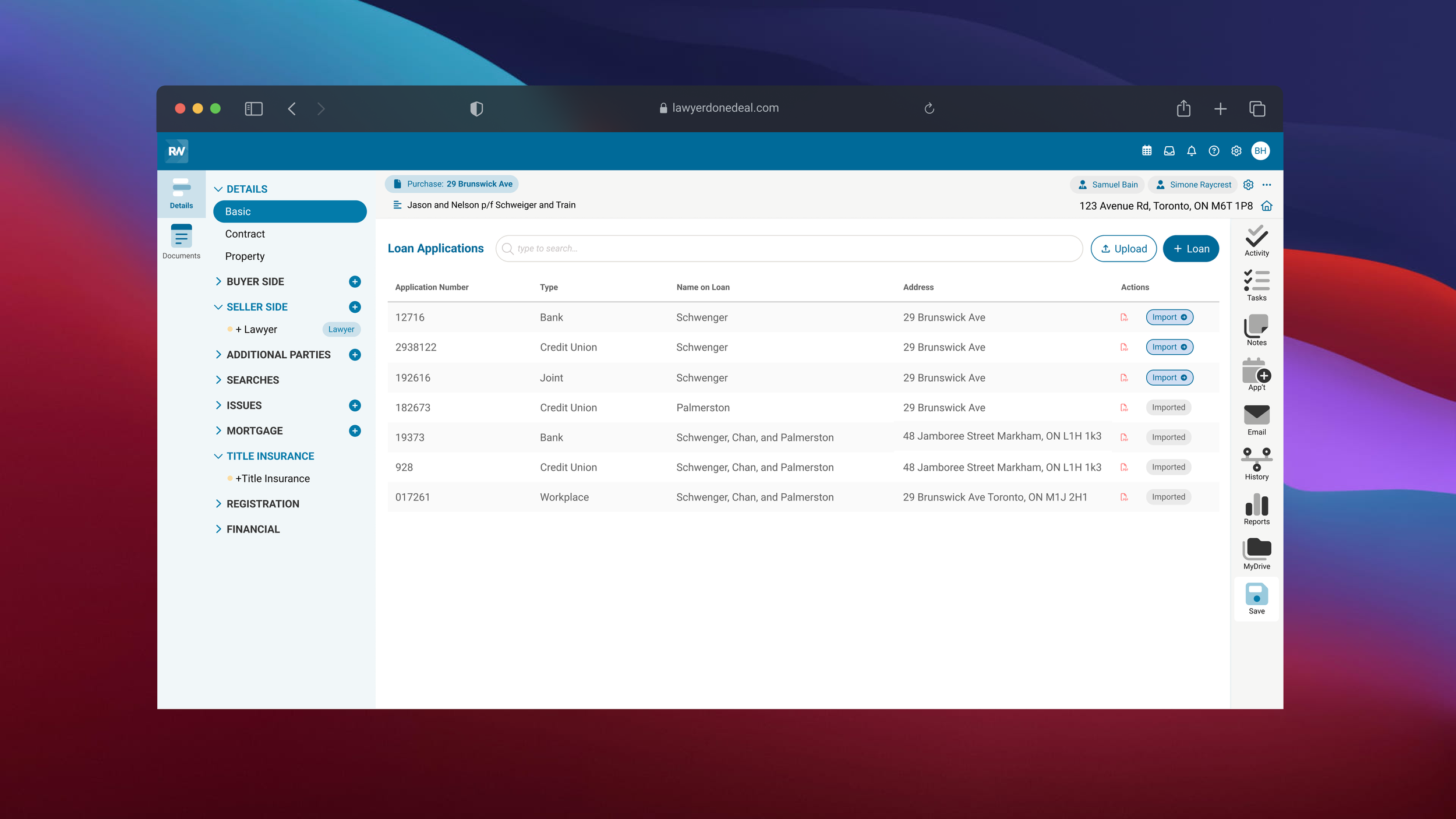
This project is under a NDA and the context has been altered to protect confidential information.
While the context has been adapted to focus on loan applications, the design process, challenges, and solutions accurately reflect the nature of the original work. For more information, please contact me for more information about this project and my experience at LawyerDoneDeal.
GOAL
Realti supports loan applications across multiple provinces in Canada using various APIs. In one province however, the API is not yet available. To ensure consistency across all provinces a business decision was made to integrate a 3rd party legacy loan application software into Realti.
PROBLEM
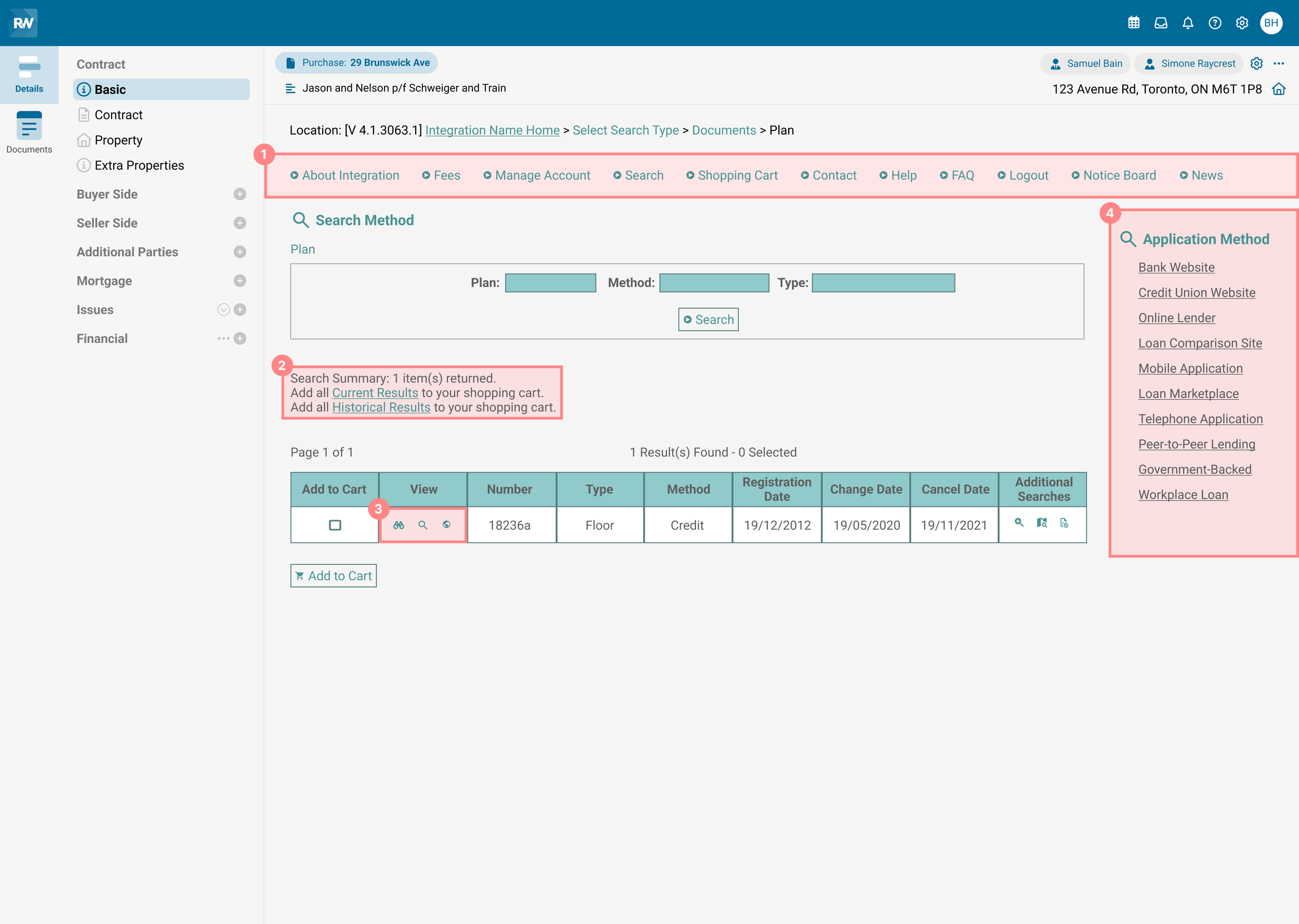
Untangling Complexity - Redesigning Legacy UI
While we had explored integrating the legacy application using an iFrame, its original interface was outdated and clashed with Realti’s goal of delivering a modern, cohesive user experience.
Several key issues made the legacy application difficult to use which made it clear that a full UI redesign was the best solution.
Disorganized Navigation
The workflow lacked a clear starting point, requiring users to frequently switch between application searching and purchasing.
Invisible Products
Users were able to add products that were not visible in the results table, creating confusion.
Unfamiliar Icons
The system utilized uncommon icons making it unclear what actions they represented.
Visual Clutter
Users had the ability to initiate a new loan application without completing their current one, resulting in an overwhelming interface and difficulty navigating.
OBJECTIVES
Enhance Usability within Constraints
Since this legacy software has been around for 30 years, I made the safe assumption that users were confident navigating the software despite the poor navigation. Knowing this, I knew the knew workflow could not alter the core steps users relied on. Additionally, I had to work within Realti’s existing design system to ensure the integration felt seamless with the existing platform while aligning with the habits of the legacy application.
01 Improve Information Architecture
Restructure the layout and workflow to reduce cognitive load while ensuring the design preserves key functionality and legal standards built into the original legacy application.
02 Maintain Cross-Platform Consistency
Maintain cross-platform consistency by ensuring the redesigned experience is consistent with workflows within the Realti software.
03 Support Long-Term Scalability
Ensure the design can accommodate future updates and functionality usage when applied to other areas of Realti.
Improve Information Architecture
Prioritizing Key User Touchpoints and using Modals for Focus
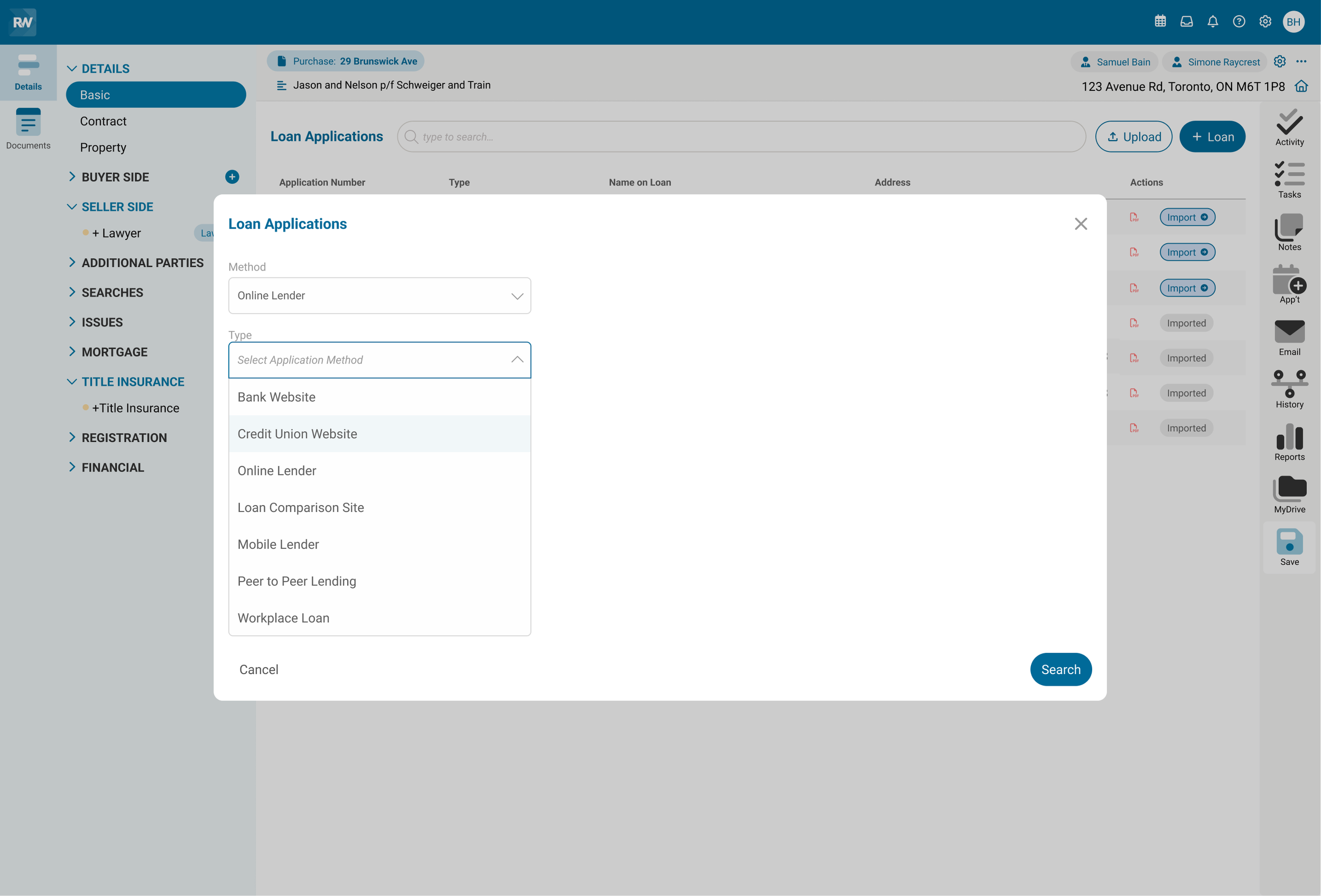
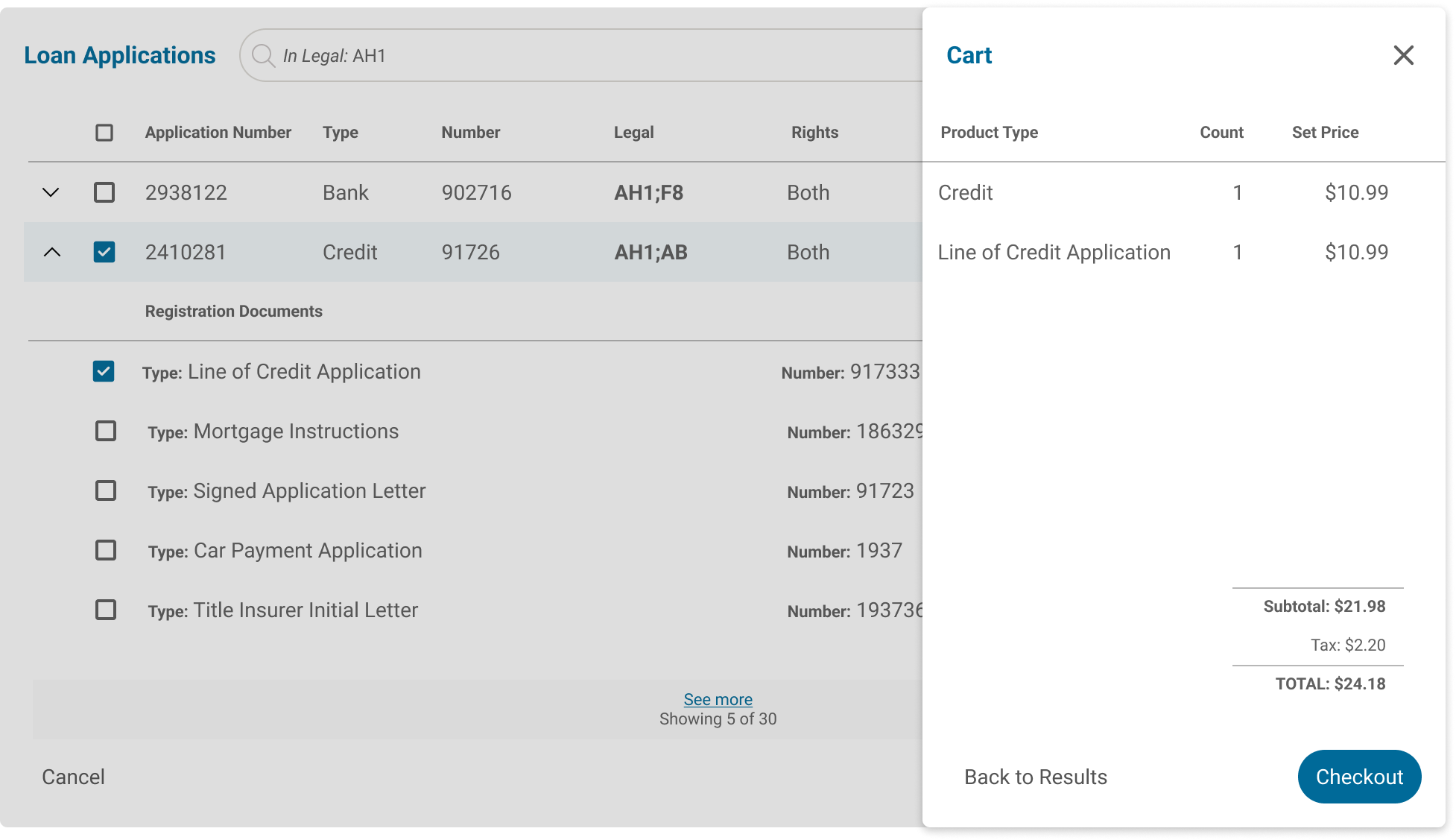
In order to address navigation inefficiencies in the legacy workflow, I prioritized key touchpoints and restructured the layout to reduce cognitive load and preserve functionality. I used modals and progressive disclosure to keep users focused, reduce clutter, and guide them through the process.

01
02
03
Conducted user interviews with law clerks to understand the loan application workflow
Defined key touchpoints to ensure application success
Used existing Realti design pattern (screens for information, modals for actions) to keep processes clear and results visible
Maintain Cross-Platform Consistency
Translating Existing Components to Reflect Redesigned Workflow
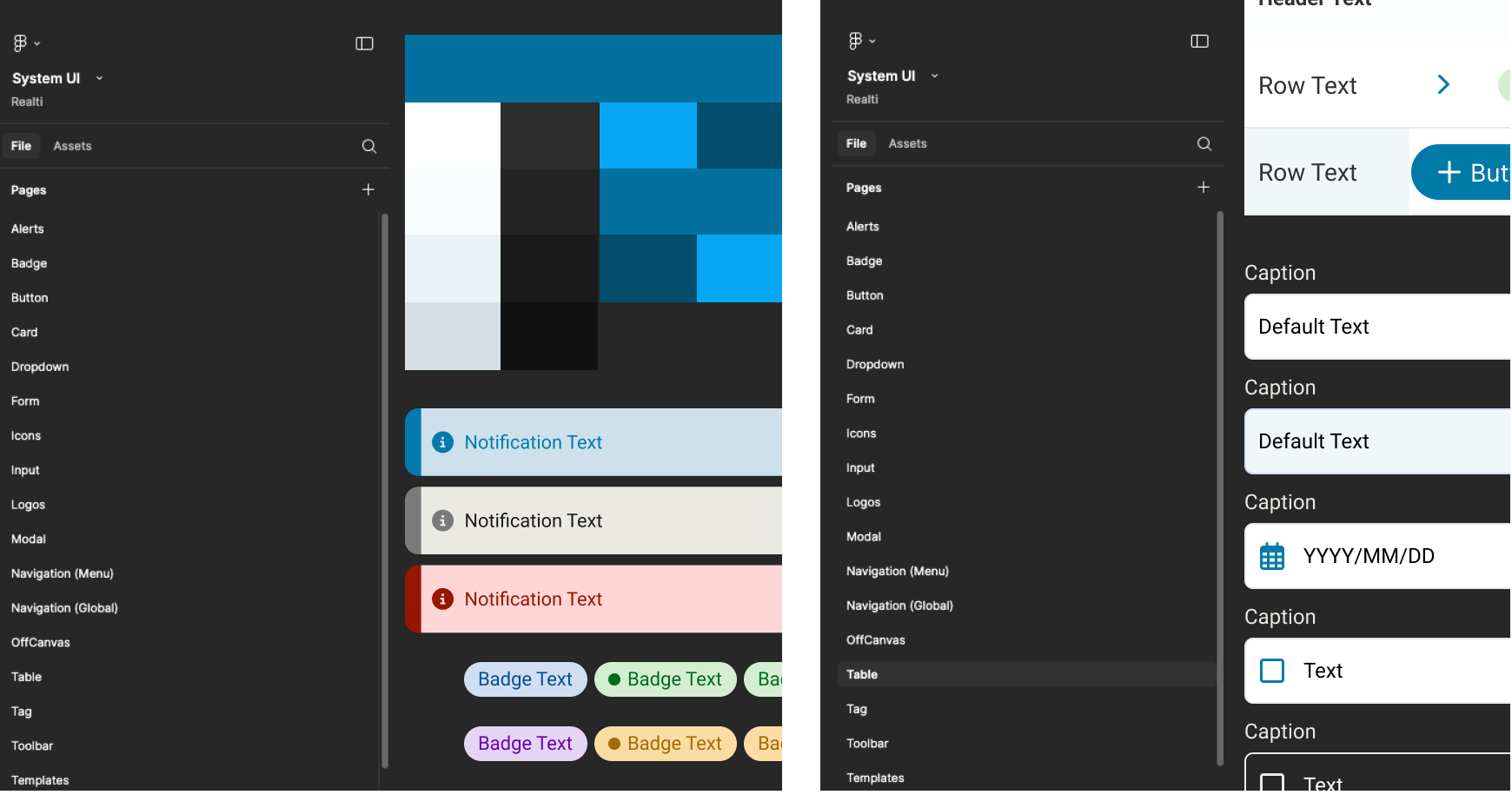
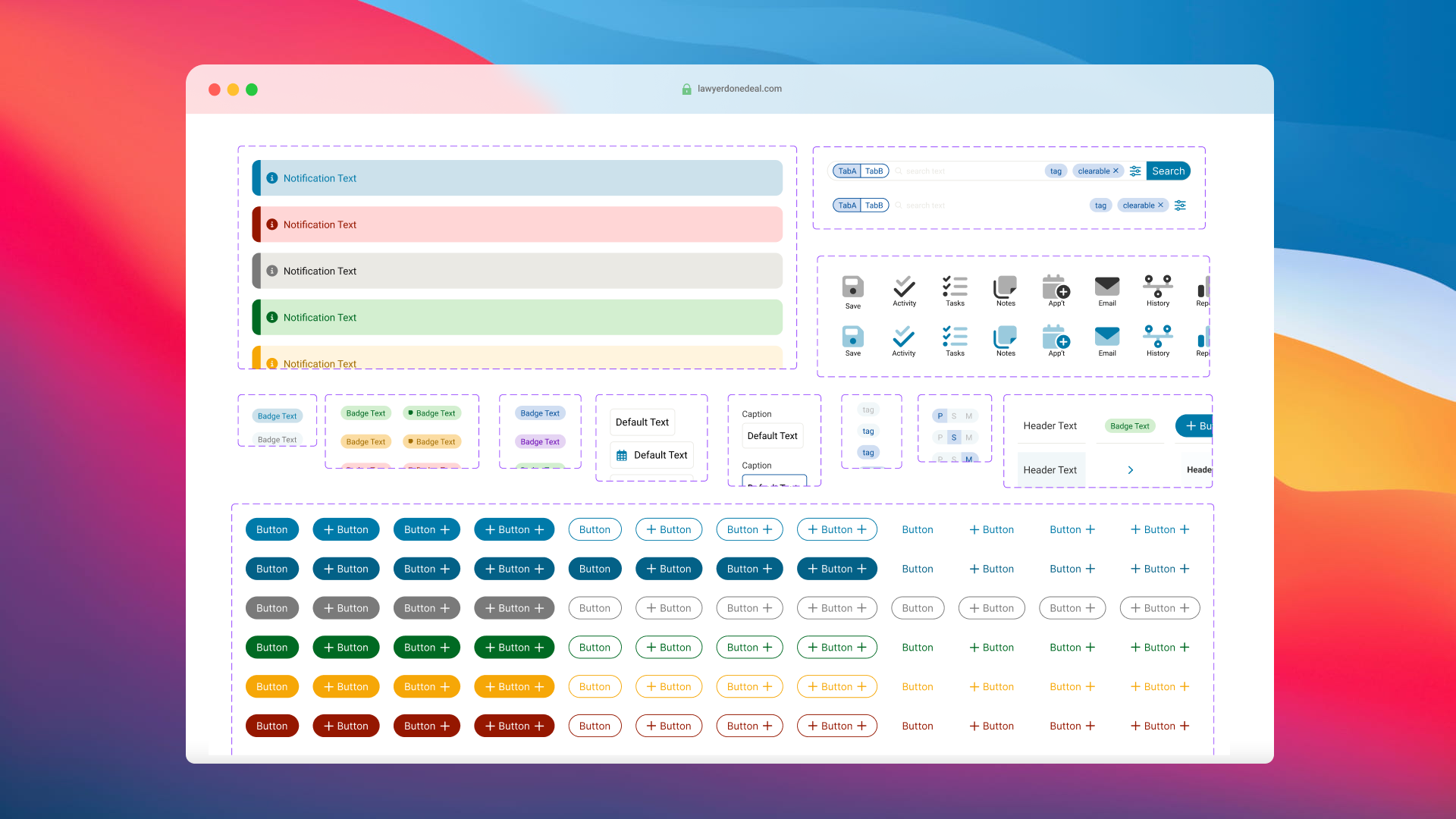
I utilized our existing design library to inform the design. Essential elements like form fields, table rows, badges, and buttons were combined to reimagine the new, simplified workflow.
I also incorporated modern e-commerce design elements and common icons that matched other applications, helping users feel more comfortable and confident with their choices while using the application.
Conducted market research of softwares with similar workflows (ex. ecommerce, fintech)
Made note of common user flows, layouts, icons
Jakob’s Law
Leveraged the existing design library to build a workflow aligned with familiar e-commerce patterns, reducing the need for users to relearn behaviors
01
02
03
Support Long-Term Scalability
User Adoption and Transition
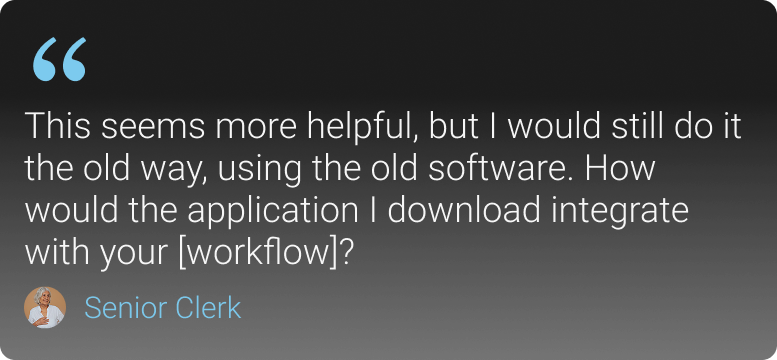
After designing the initial streamlined workflow, I followed up with clients to validate whether the redesign improved their process. These discussions surfaced a critical insight:
How can I ensure the new workflow is adopted broadly, while ensuring it can scale downwards to accommodate diverse user preferences?
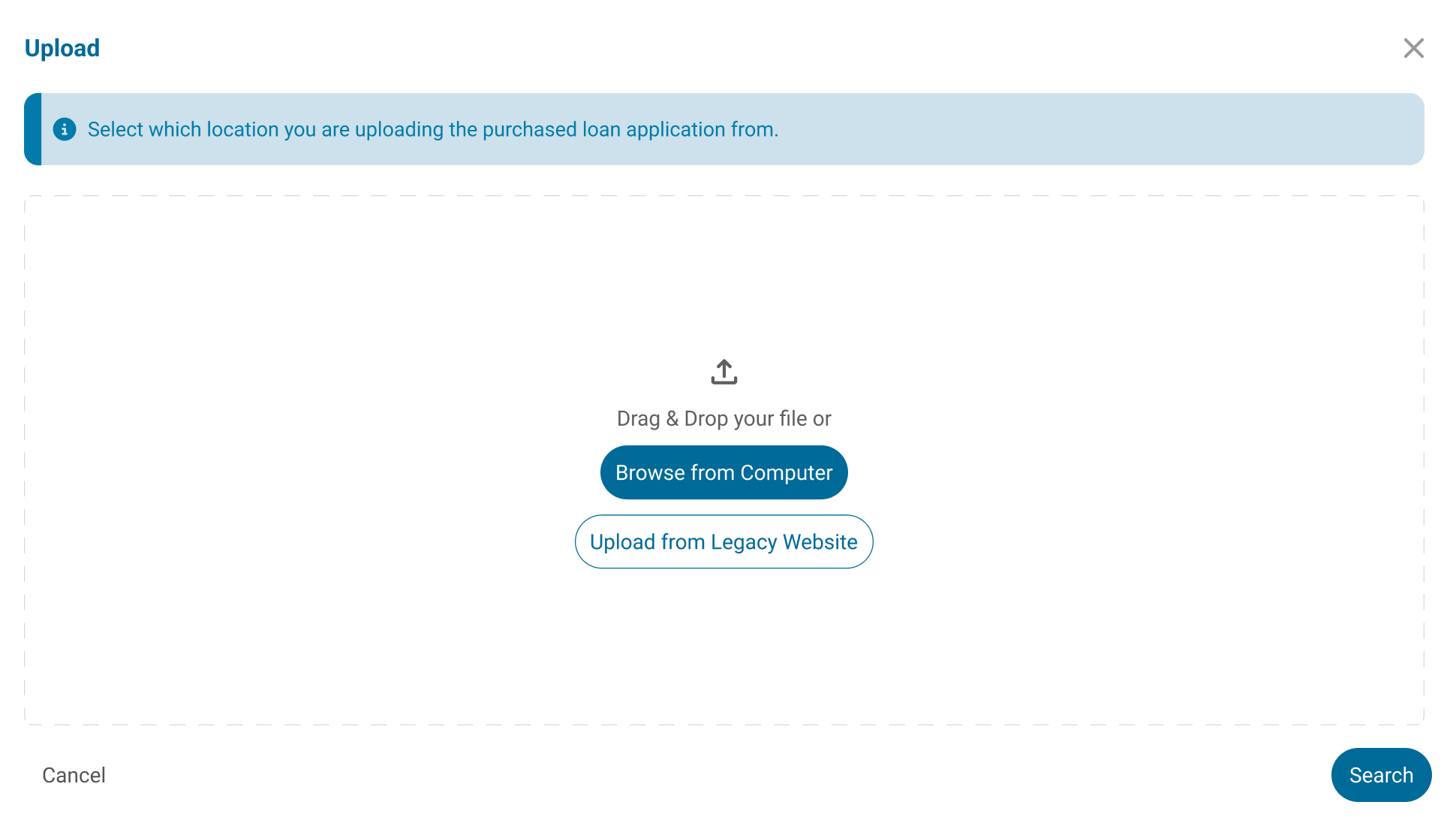
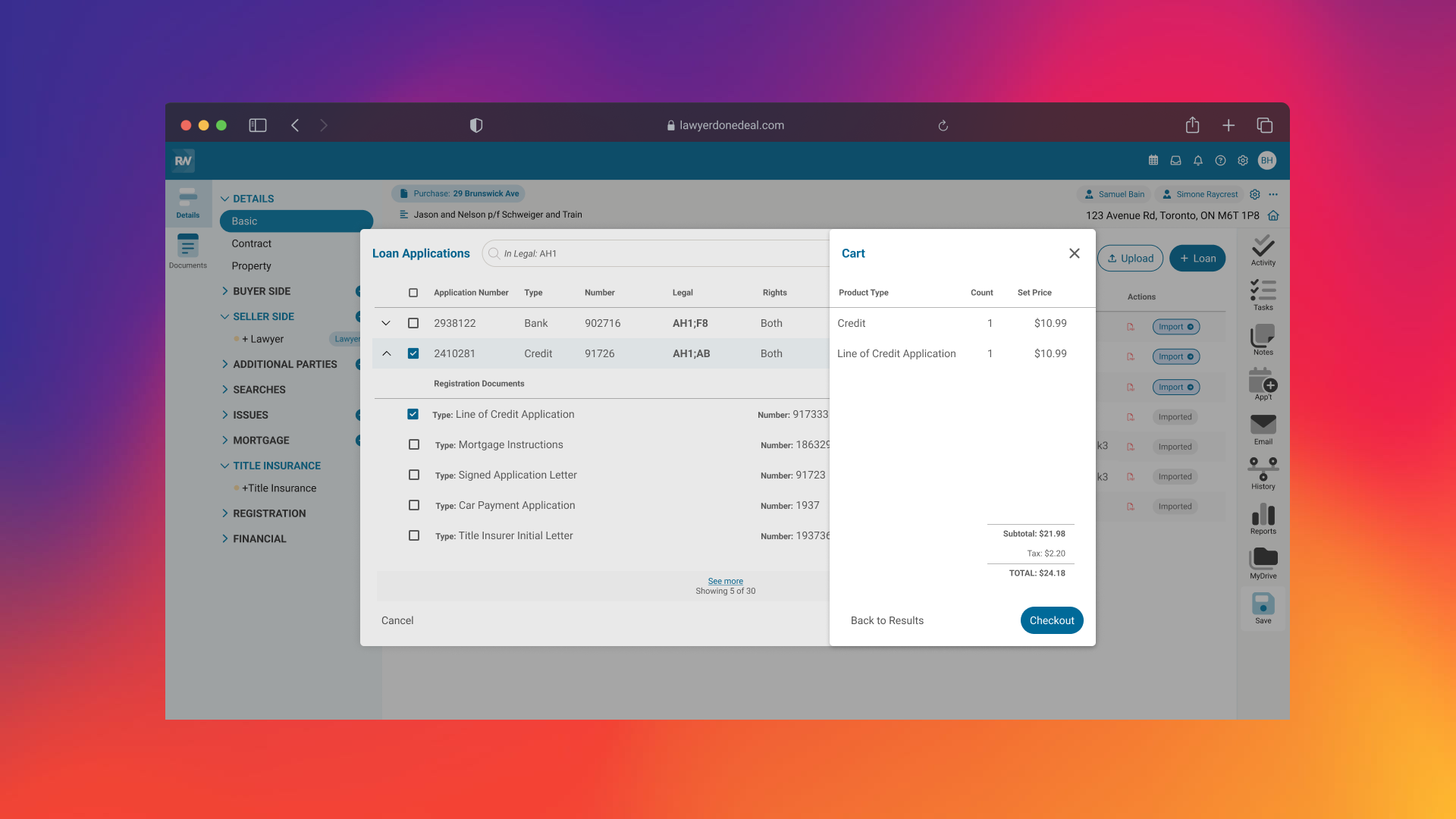
I decided to implement a simple 'upload' feature that maintained legacy functionality. I strategically placed it beside the new workflow's entry point so that users would see both options simultaneously. This feature served as a transitional tool, enabling immediate usability while gradually guiding users toward the more scalable, integrated solution.
??
Challenges and Final Result
a story about navigating user adoption and business growth
My conversations with clients revealed a significant finding: a deep-rooted hesitancy toward change.
Understanding user reluctance allowed me to lead product discussions with a balanced approach, ensuring the integration aligned with both business goals and user expectations. Without these insights, the risks of adoption may not have been as clearly recognized by the company stakeholders.
As a result of these findings as well as the initiation of other projects that would position the company for further long-term growth, this project ended up being placed in our product backlogs - to be re-discovered again when the time is right.